The American Revolution in Downeast Maine
In 2026, the United States is commemorating the 250th anniversary of the Declaration of Independence. During this anniversary year, we are excited to welcome you to explore the Revolutionary history of Downeast Maine. Learn more by visiting forts, historic houses, museums, and other locations across our region.
1. Penobscot Expedition: The Worst American Naval Defeat Until Pearl Harbor
Castine: July 25 – August 15, 1779
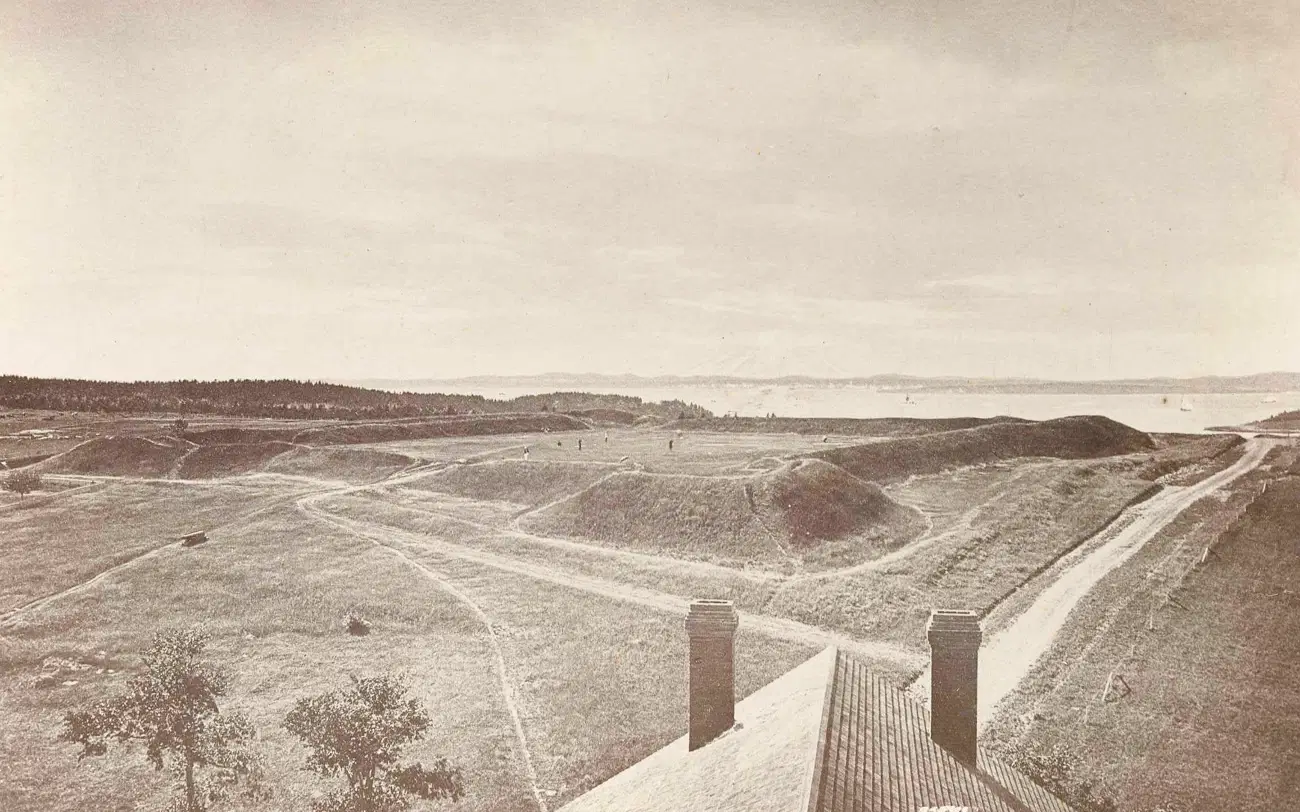
In the summer of 1779, the British arrived at present-day Castine. They were attracted to this location as a possible Loyalist haven, as a source of timber for the King’s Navy, and as a strategic naval base and coastal trading post. That June, they sent a small flotilla from Halifax, Nova Scotia, with approximately 750 troops to occupy the area and to build a fort, later named Fort George. Capt. Henry Mowat was in command of the naval vessels and Brig. Gen. Frances McLean the land forces.
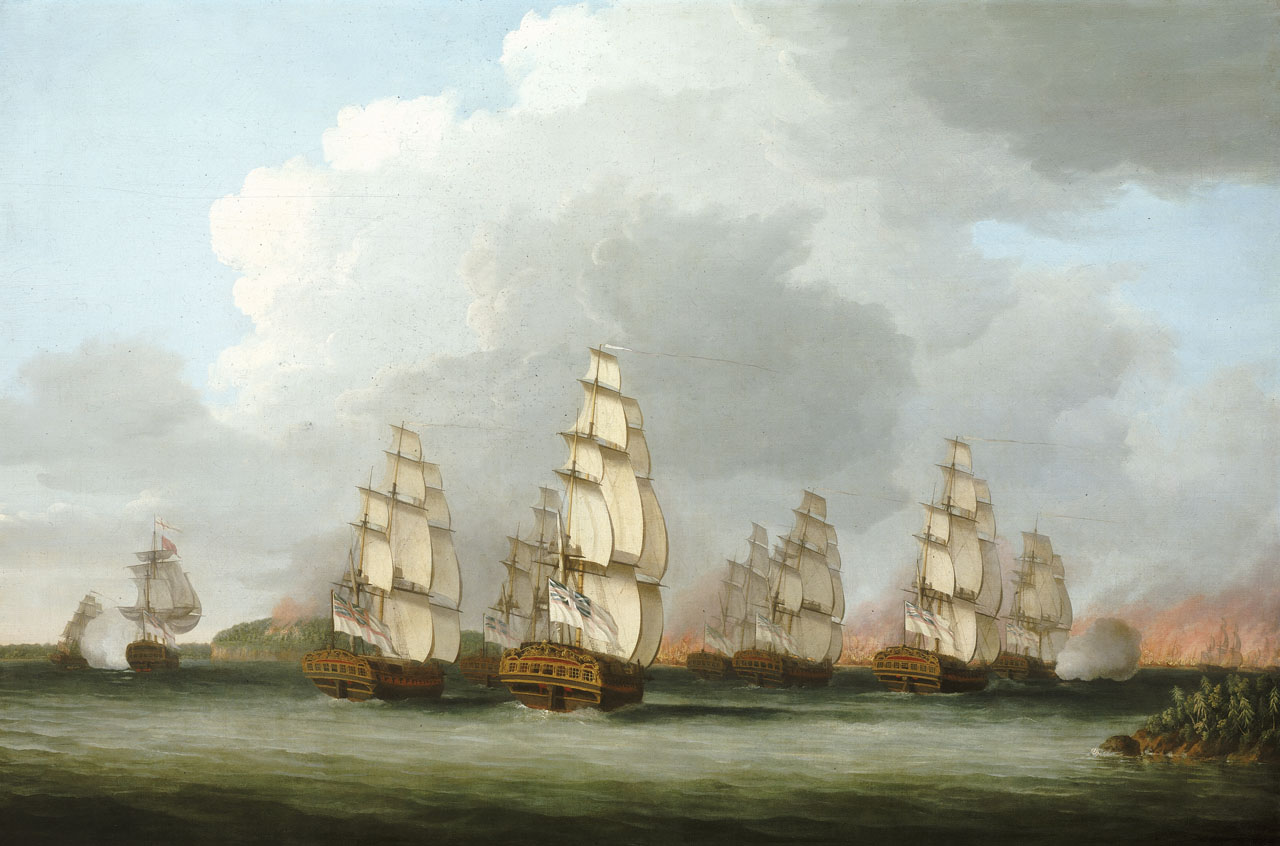
The response from the Americans same quickly – a fleet of 19 armed vessels and 24 transports, with more than 1,000 ill-prepared militia was quickly assembled and sent to Penobscot Bay to retake the area. Commodore Dudley Saltonstall was commander of the naval forces, Brig. Gen. Solomon Lovell had command of the land forces, with Lt. Col. Paul Revere in command of the ordnance train. They arrived at Castine on July 25.
For two weeks there were a few brief, intense forays between the land forces but nothing decisive. Saltonstall, with his superior naval strength, was reluctant to take any action against Mowat’s three-ship defense, which gave the British time to send for and receive reinforcements from New York. Seven heavily armed British warships arrived on August 13.
Anticipating a sea battle, the Americans abandoned their land positions and began a retreat up the Penobscot River. On the morning of August 14, to the astonishment of both American and British forces, Saltonstall turned his ships and fled up the Penobscot River where his entire fleet of warships and transports were sunk or scuttled and burned by their own forces. Surviving American troops rushed to shore and into the forest where they made their way back to Boston.
Learn more at Ripples of the Revolution: The Penobscot Expedition, Maine Historical Society.
2. Bucksport Waterfront
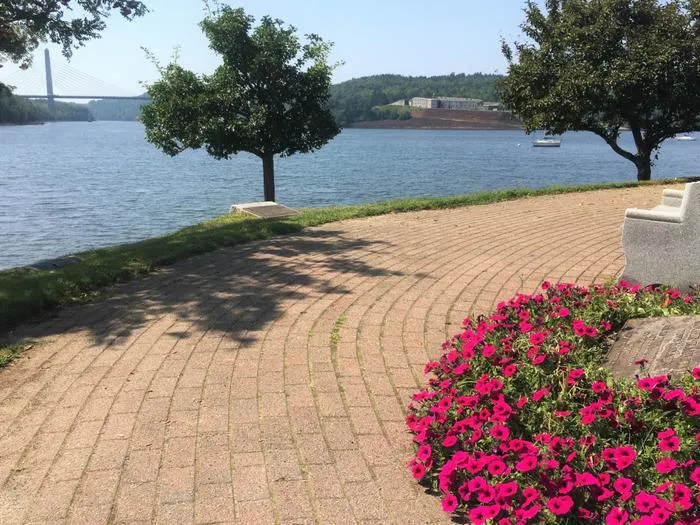
You can access the waterfront walkway at multiple points off Main Street, Bucksport, ME 04416.
When the American fleet fled up the Penobscot River, many made it only as far as this spot in the river. To prevent their ships from being taken by the British, they burned or sank many of them. Others were captured or destroyed by the British. Imagine the river filled with dozens of burning vessels, canons firing, soldiers and sailors desperately trying to make it safely to land.
About two dozen families lived in Bucksport at the time of the American Revolution, and they watched as the war arrived at their doorstep on August 13, 1779. On August 14, the British vessel HMS Nautilus anchored in this harbor, and its crew burned the town of Bucksport, after most of the residents had fled. The town was resettled at the close of the war in 1783.
3. Castine Historical Society
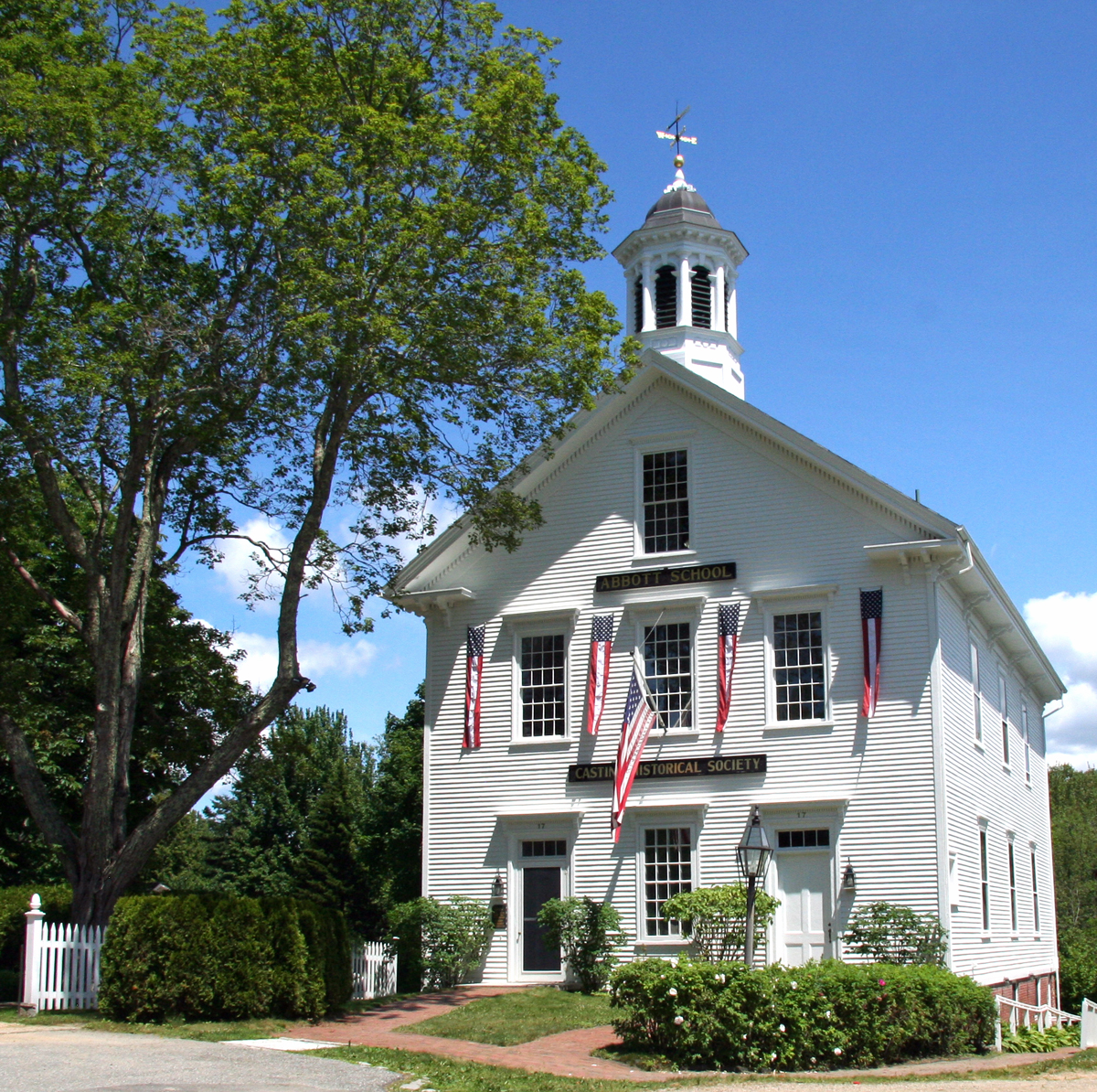
13 and 17 School Street, Castine, ME 04421
June 5 through September 1, Monday – Saturday: 10 AM – 4 PM; Sunday: 1 – 4 PM
Visit website for May, September, and October hours
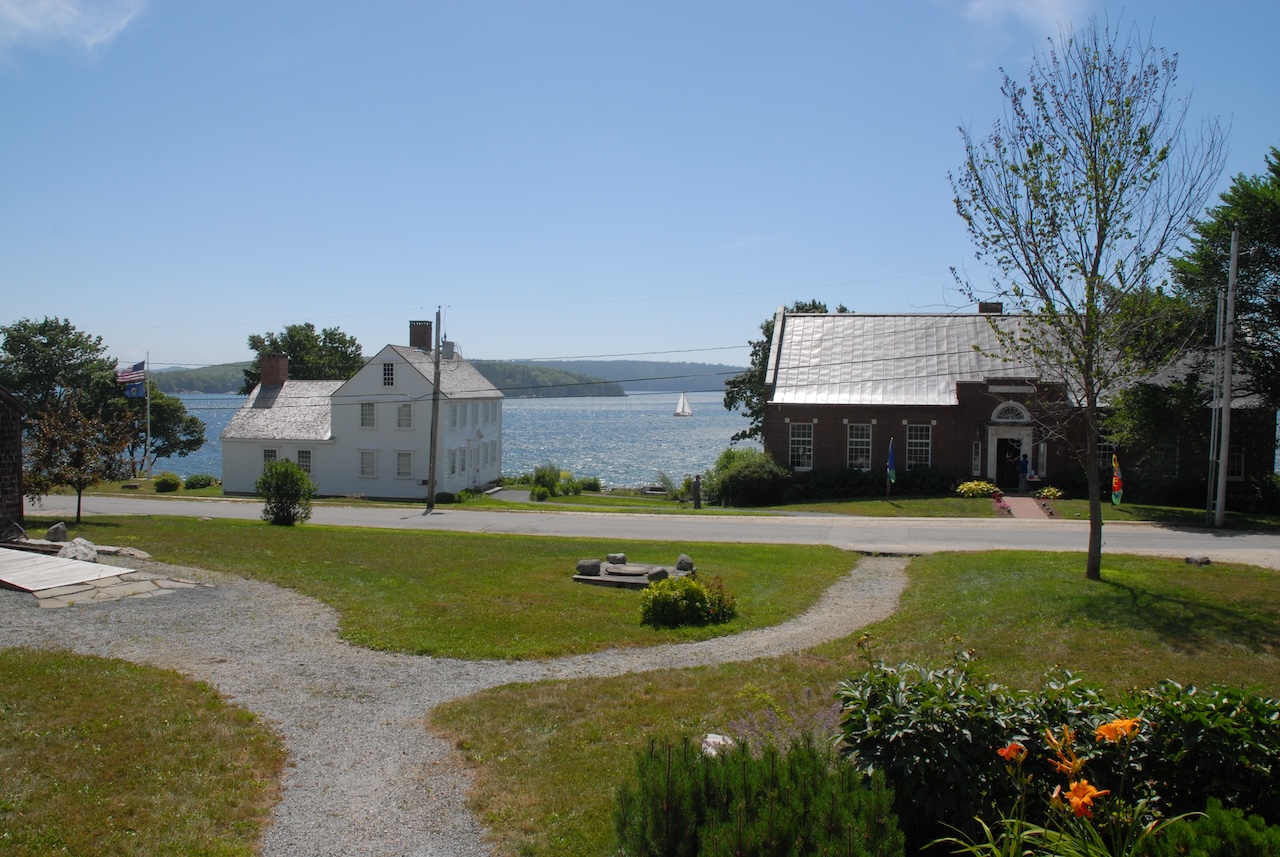
Learn fascinating stories of the Penobscot Expedition at the Castine Historical Society. This exhibit presents a recreation of Saltonstall’s day cabin in the Continental frigate Warren, and uses multi-media, maps, and charts to take visitors back to this little-know historical event. It features maps and charts to connect the story to the landscape and invites visitors to read facsimile copies of documents created during the time the events occurred. Highlighting the local context and national significance of the story, the exhibit was built to encourage everyone to participate in the historical process, even to those who are not Revolutionary War history buffs.
More about the Penobscot Expedition >
Castine Historical Society information >
Image courtesy of Castine Historical Society.
4. Wilson Museum
107 Perkins Street, Castine, ME 04421
Weekdays 10 am to 5 pm, Weekends 2 to 5 pm (Open May 27 through September 30)
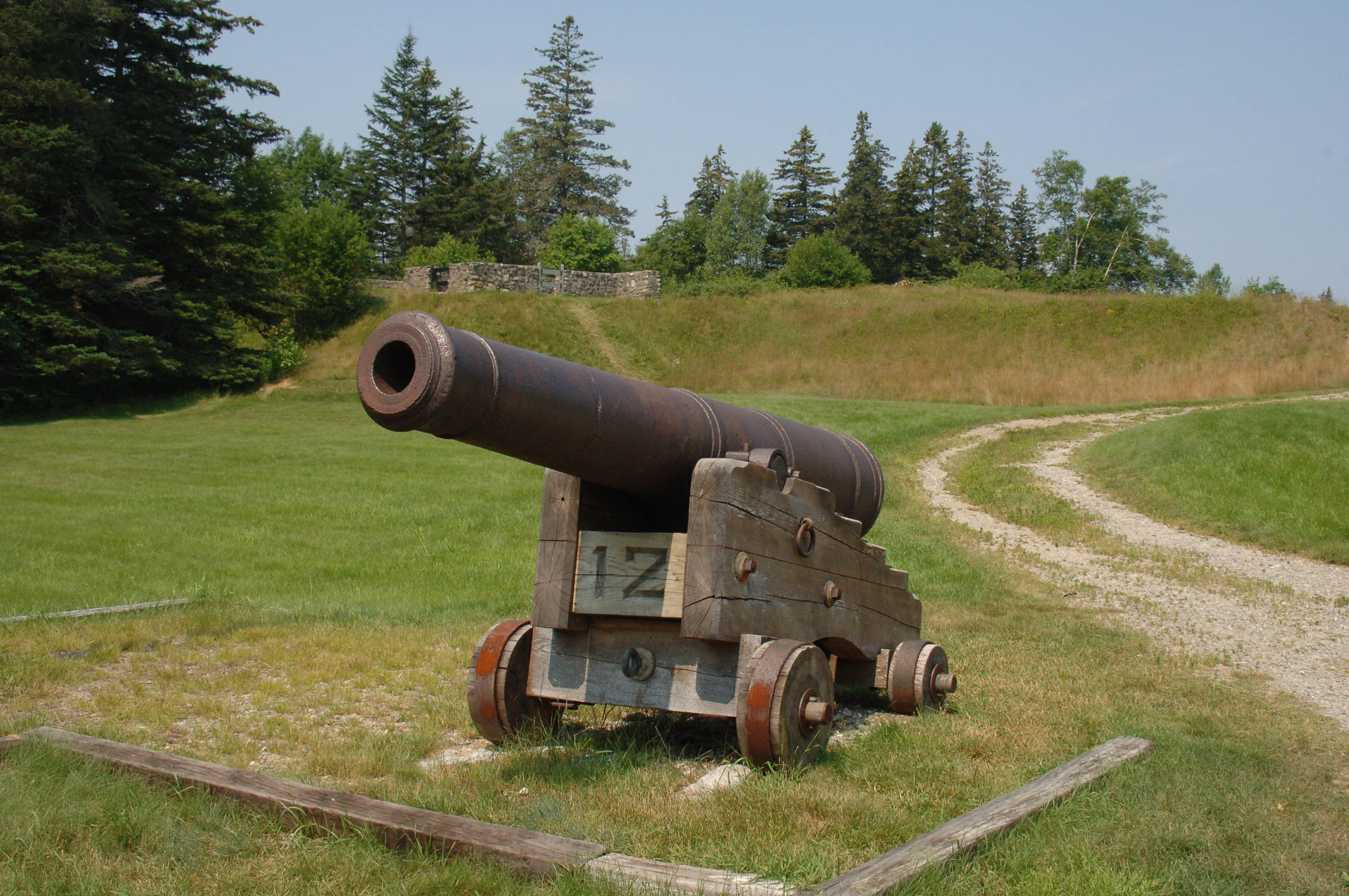
At the Wilson Museum, you can see a model of the Defence under construction, built by a group of volunteers that included some of the original excavation team.
One of the American vessels lost during the Penobscot Expedition was the brig Defence. In 1972, the wreck of the Defence was rediscovered across Penobscot Bay in Stockton Harbor. The 1779 crew sailed her into the harbor, hoping to hide from the British. When this did not work, they set fire to the vessel and jumped overboard, swimming ashore. The wreck then settled into the muddy bottom, hidden for two centuries. Divers from Maine Maritime Academy, the Institute of Nautical Archaeology, and the Maine State Museum carried out excavations on the wreck every summer from 1972 through 1980. Most of the artifacts now reside at the Maine State Museum in Augusta.
Image courtesy of the Wilson Museum.
5. Fort George
Corner of Battle Avenue and Wadsworth Cove Rd, Castine, ME 04421
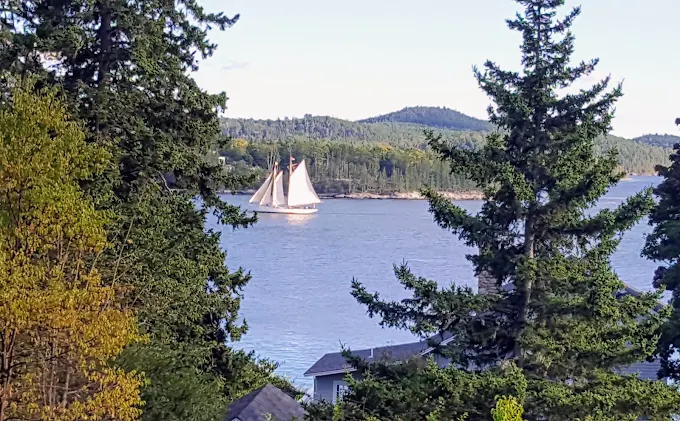
Fort George and the trails of Witherle Woods offer visitors a chance to “be in the place where it happened.” Stand at the entrance of the fort and imagine the view of British and American vessels in a standoff at the mouth of Castine Harbor. Walk to the top of the high bluffs in Witherle Woods and consider what it took for American soldiers to scale these heights under heavy British fire. A virtual tour, A Tale of Two Wars, created by Castine History Partners will help you explore this history across the landscape.
This virtual tour, along with a tour that introduces you to Castine’s history, can be downloaded to your iPhone or Android device.
6. Witherle Woods
92 Battle Avenue, Castine, ME 04421
Witherle Woods is a preserve managed by Maine Coast Heritage Trust.
Fort George and the trails of Witherle Woods offer visitors a chance to “be in the place where it happened.” Stand at the entrance of the fort and imagine the view of British and American vessels in a standoff at the mouth of Castine Harbor. Walk to the top of the high bluffs in Witherle Woods and consider what it took for American soldiers to scale these heights under heavy British fire. A virtual tour, A Tale of Two Wars, created by Castine History Partners will help you explore this history across the landscape.
This virtual tour, along with a tour that introduces you to Castine’s history, can be downloaded to your iPhone or Android device.
7. Woodlawn
19 Black House Drive, Ellsworth, ME 04605
Wednesday-Saturday, 10 am to 4 pm (open for the season May 27)
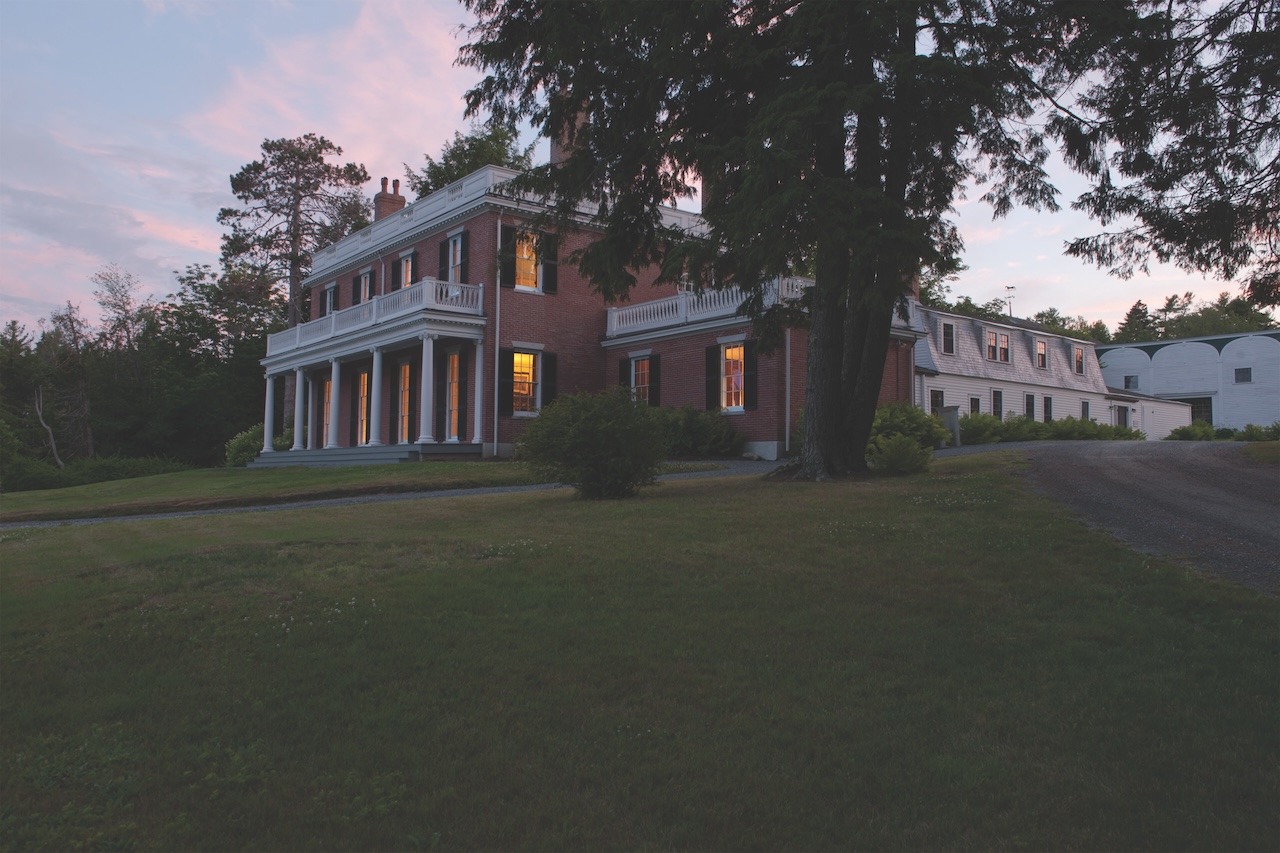
On November 7, 1827, John and Mary Black moved into Woodlawn, their new house in Ellsworth. This large brick home quickly became a hub of activity for their personal and professional lives. The house stayed in the family until their grandson Nixon Black’s death in 1928 when it became a museum. Nixon was passionate about preserving his family’s history, in large part because of his great-grandfather, David Cobb’s role in the Revolutionary War.
David Cobb rose to the rank of General and aide-de-camp to George Washington, ultimately becoming Lieutenant Governor of Massachusetts and resident agent for the two-million-acre Bingham Lands; a position that directly connected his Revolutionary War service to Maine's settlement and timber industry. Born in July 1776 as her father David Cobb served in the Continental Army, Mary Cobb Black lived through the Revolutionary War and Maine's 1820 statehood. Mary Cobb met John Black after he came to America in 1798 to oversee the Baring Bank’s investment in the Bingham Lands.
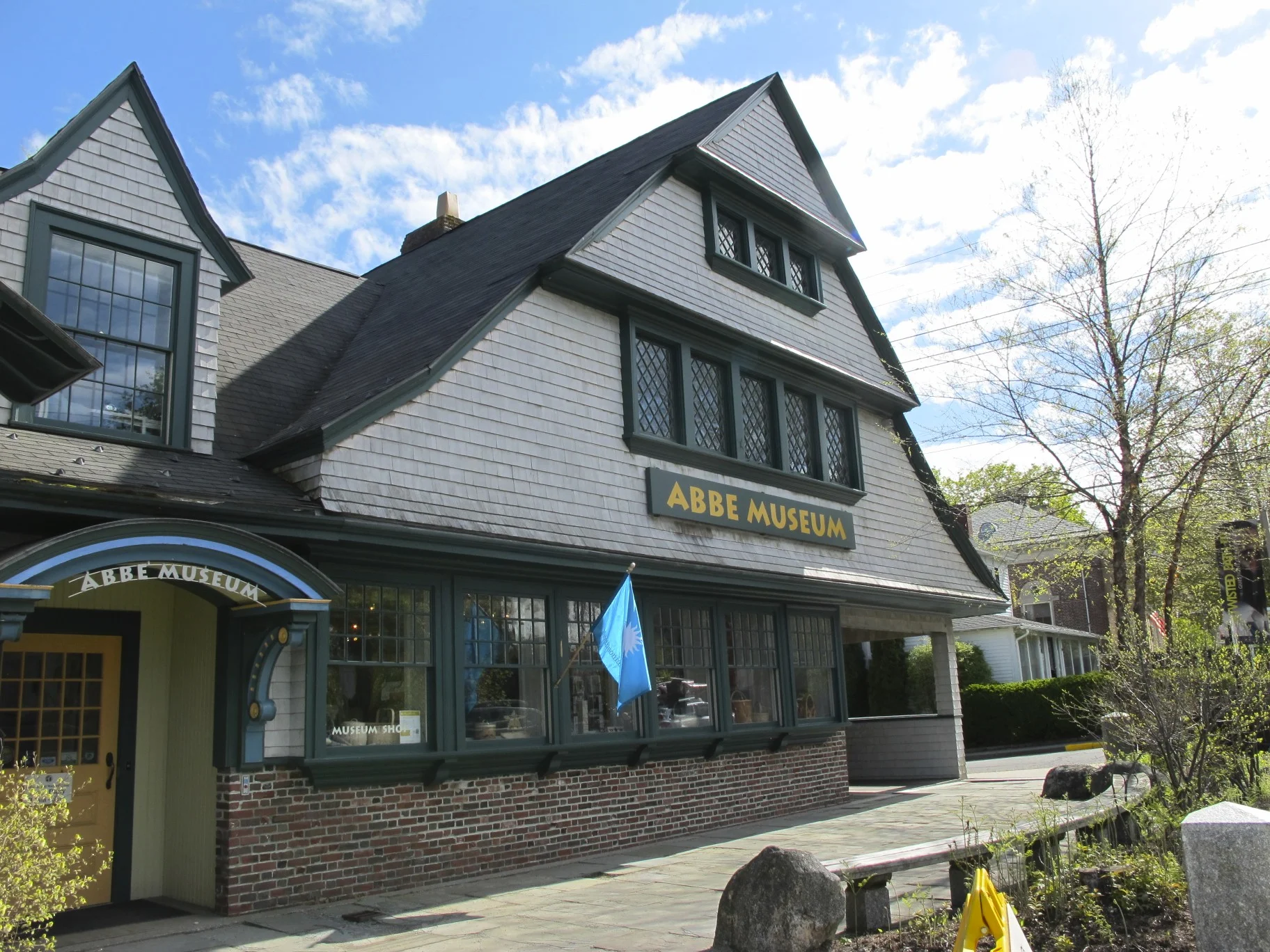
8. Abbe Museum
26 Mount Desert Street, Bar Harbor, ME 04609
Monday through Saturday, 10 am to 5 pm (open for the season May 26)
Learn about the contributions of the Wabanaki Nations to the American Revolution by visiting the exhibit In the Shadow of the Eagle at the Abbe Museum in Bar Harbor.
At a moment where the United States marks 250 years since its founding, this contemporary art exhibit aims to share a greater understanding of Wabanaki Nations’ place within our ongoing national narrative. The exhibit title is drawn from co-curator Donna Loring’s (Penobscot Nation) book that candidly chronicles time spent as a Tribal Representative for Maine. Joining the curatorial team are historian Dr. Darren Ranco (Penobscot Nation) and Virginia Museum of Fine Arts Curator Siera Hyte (Cherokee Nation).
Using the Semiquincentennial and Wabanaki involvement in the Revolutionary War as a jumping off point, In the Shadow of the Eagle focuses on important themes such as military service, treaties, and self-governance. The exhibition features incredible new artworks by leading Wabanaki artists alongside important historical belongings, and loans of work by important Native artists from outside the Dawnlands.
Learn more about In the Shadow of the Eagle:
9. Franklin Memorial Park
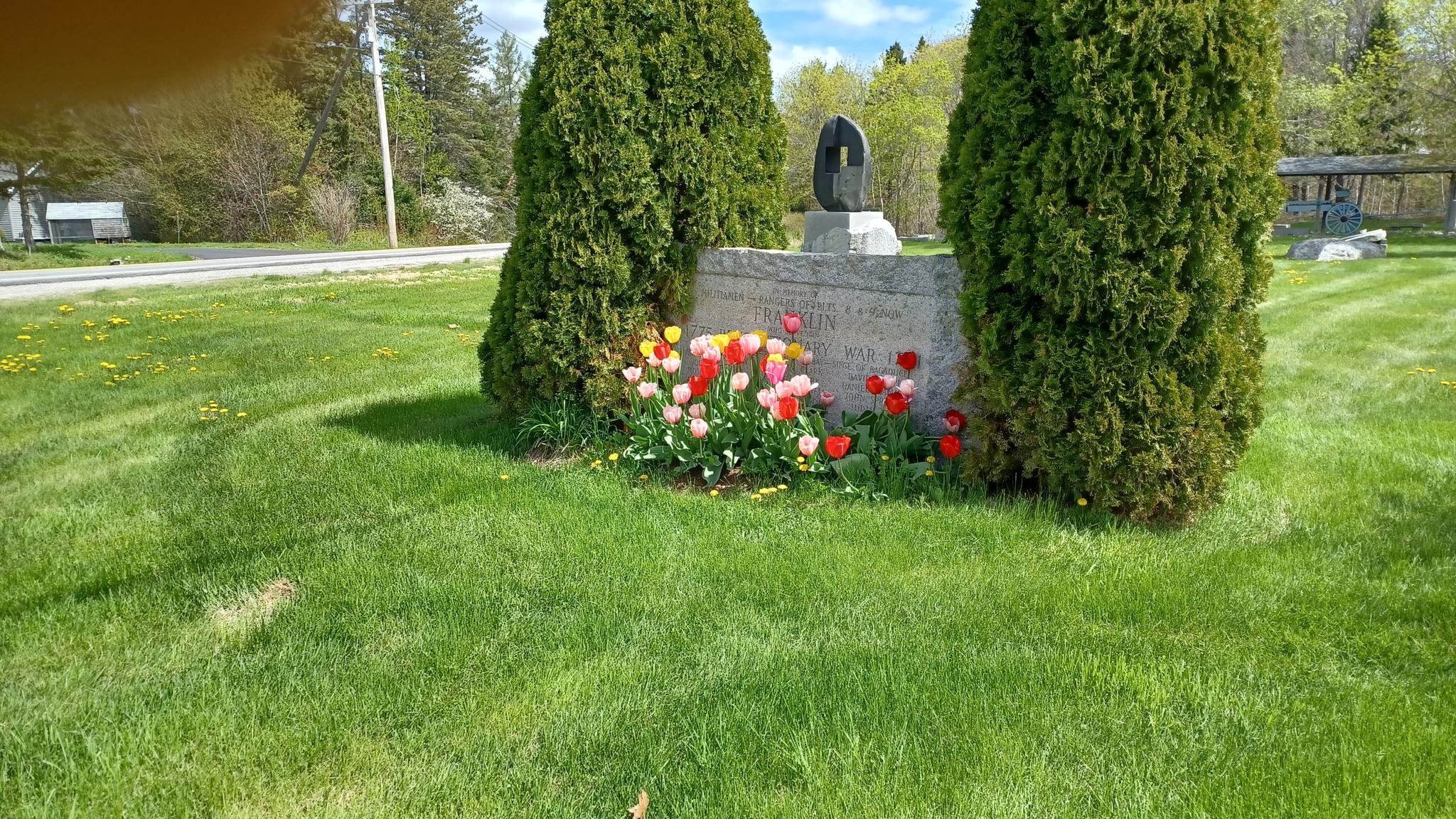
The town of Franklin was established as by settlers in 1764. When the American Revolution came to Downeast Maine, more than 20 local men enlisted. They served in the battles at Machias and Castine, as well as more locally to protect Frenchman Bay. Today, you can visit a memorial to these men at the town’s historical park, thanks to the Franklin Historical Society.
The Downeast Cowboy visits the Franklin Memorial Park >
The Franklin Memorial Park location is located on Rte 182, West Franklin Rd at the intersection with Grist Mill Rd, marked on Google Maps as location of Robertson Quarry Galamander.
10. Frazer Point
Requires Acadia National Park Pass to visit.
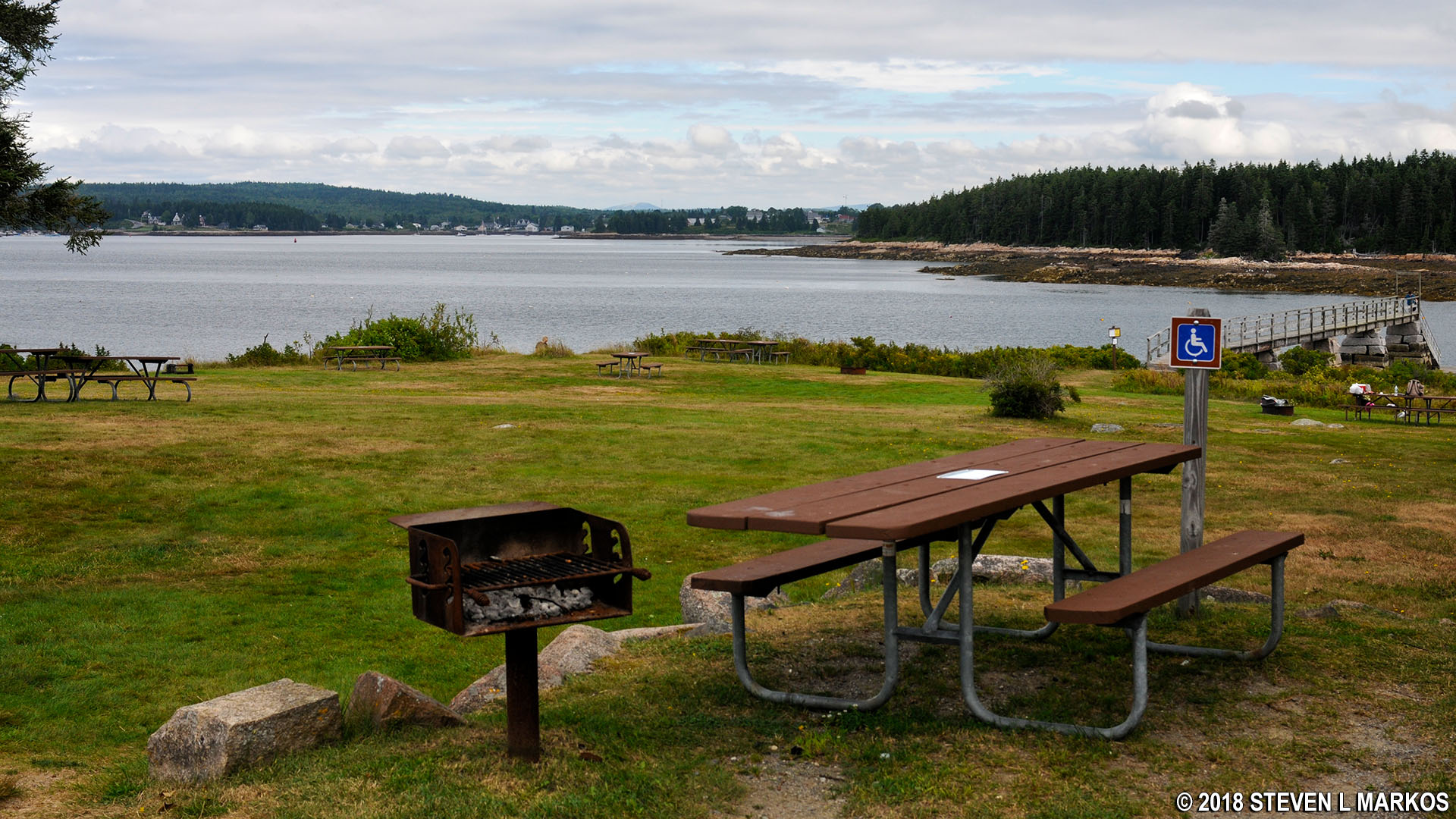
In 1780 the first documented free Black resident of Frazer Point on the Schoodic Peninsula, Thomas Frazier, enlisted in the American Revolutionary War. In 1775, he served under Captain Eleazer Crabtree and later, in 1780, in Captain Henry Dyer's company of rangers at Frenchman Bay. You can visit the site of his homestead at the Frazer Point Picnic Area in the Schoodic section of Acadia National Park.
11. Battle of Machias: The First American Naval Victory of the American Revolution
June 11-12, 1775
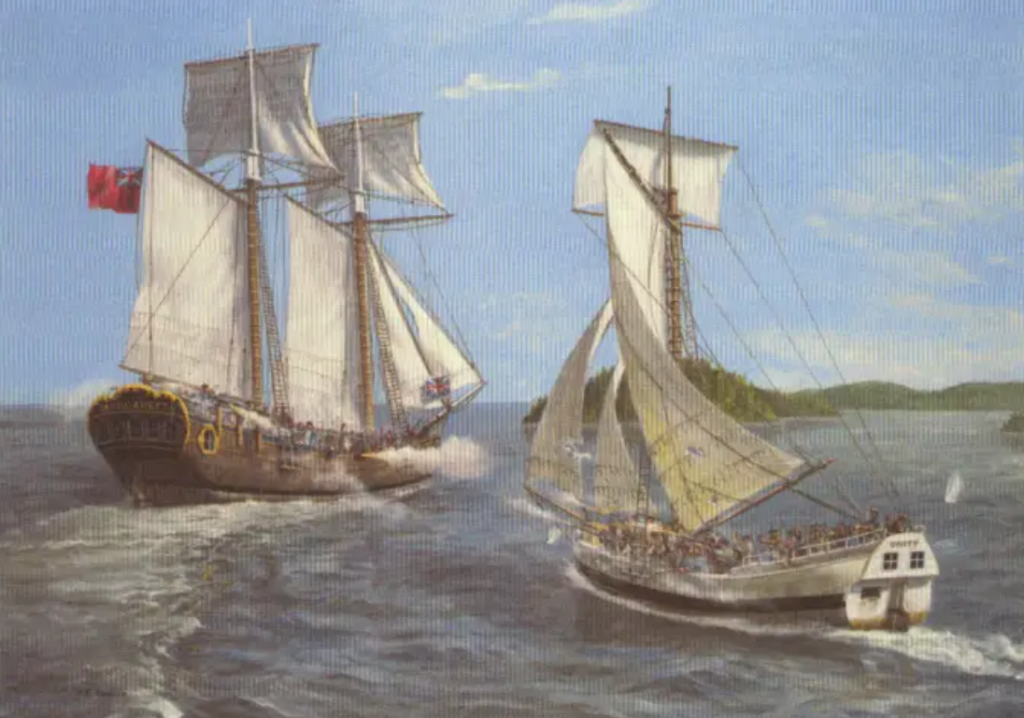
The first naval battle of the American Revolution was fought in Machias Bay in Eastern Maine. A local merchant with suspected Loyalist ties, Ichabod Jones, was attempting to ship out a load of lumber from Maine to Boston on two of his ships. A British armed sloop commanded by James Moore, the HMS Margaretta, was accompanying Jones’ ships.
Their sympathies lying with the Patriot cause, the townspeople of Machias decided to arrest Jones and Moore after meeting at the Burnham Tavern. While they were successful in detaining Jones, Moore escaped the harbor on the Margaretta and was pursued by locals on two ships (one of which had been taken from Jones.) Damage to the Margaretta allowed the two ships to catch up to Moore, and he was fatally injured in the ensuing battle. His crew surrendered.
Expecting reprisals from the British, the people of Machias armed the ships they’d taken from Jones and began building up their defenses under the guidance of the Massachusetts Provincial Congress.
The British attempted to attack Machias a second time in August of 1777 but were quickly driven off by the local militia and their Wabanaki allies. Wabanaki allies played an important role in both Machias and Castine. In July 1776, a group of Wabanaki diplomats had traveled to Watertown, Massachusetts to pledge their Nations as allies to the American cause, and signed a treaty formalizing this alliance. Honoring their commitment, Penobscot warriors were part of the American forces in the Penobscot Expedition, and Passamaquoddy and Maliseet allies were key to the 1777 victory in Machias.
Learn more at Ripples of the Revolution: The Battle of Machias, from the Maine Historical Society.
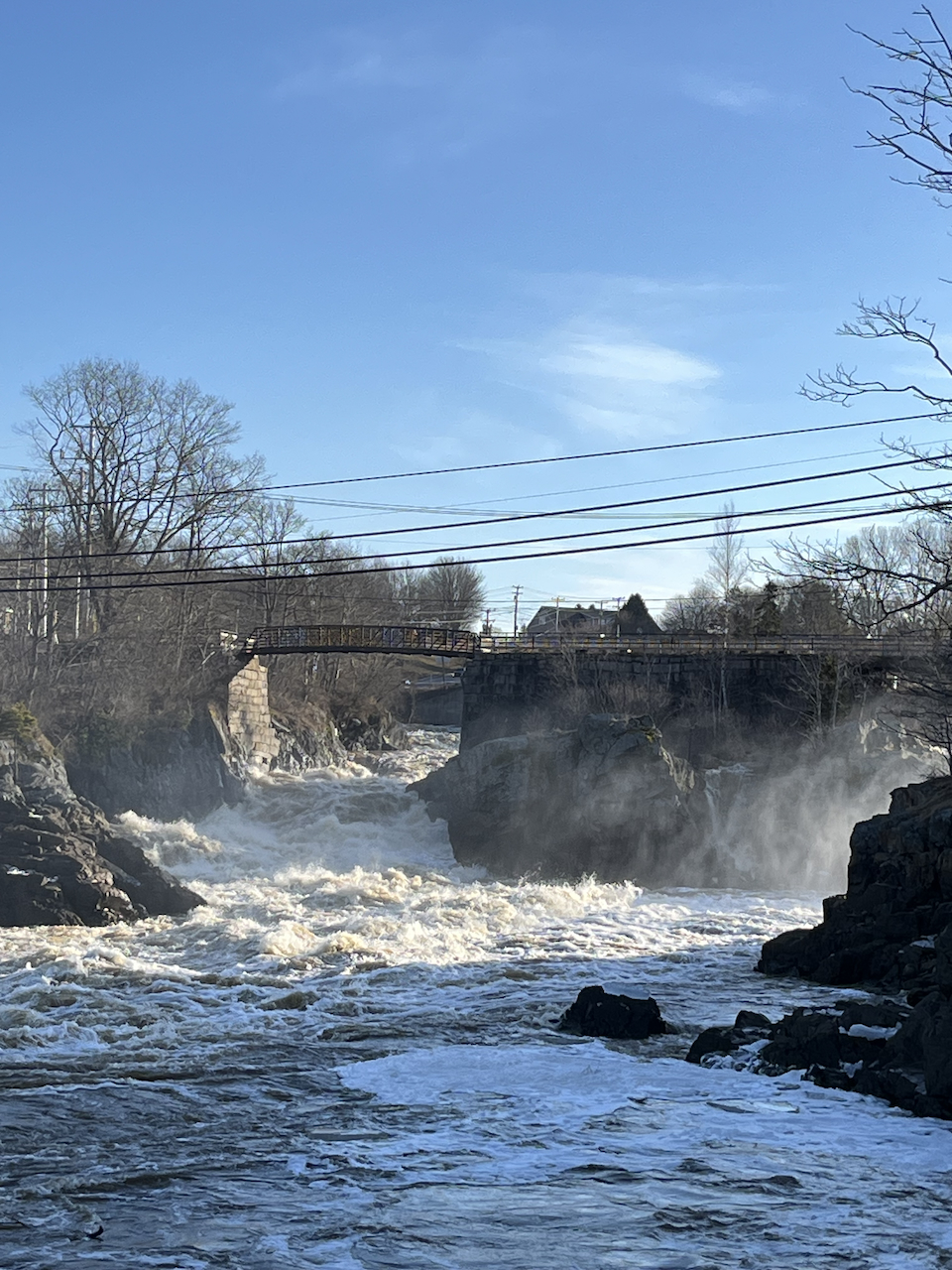
12. Machias Public Parking
View the river and walk around downtown Machias
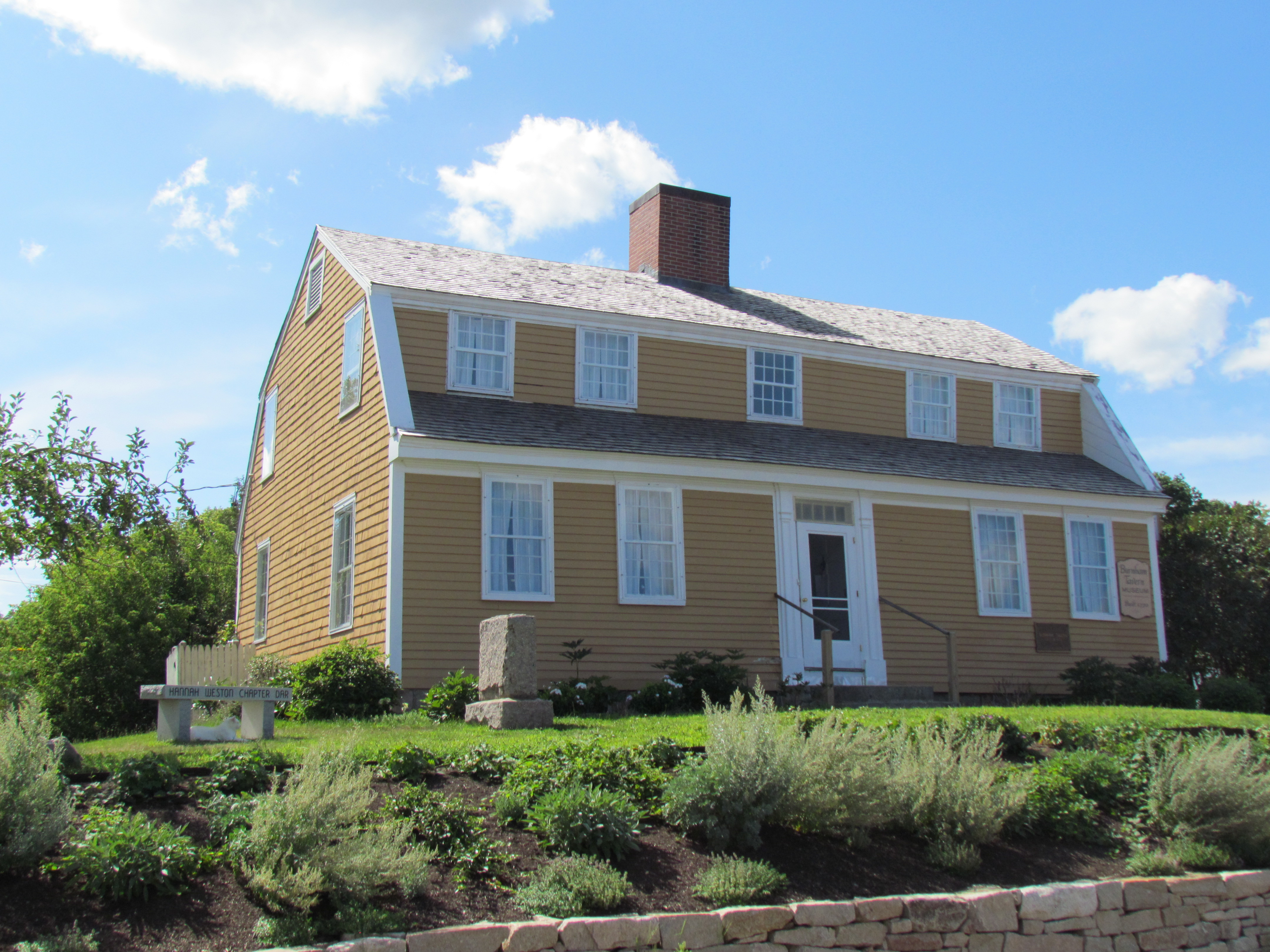
13. Burnham Tavern Museum
14 Colonial Way, Machias, Maine, 04654
Tours offered July-September, call 207-255-6930 for days and times
Built in 1770, the Job Burnham’s tavern was where the settlers of Machias met in June 1775 and decided to capture local merchant Ichabod Jones and British armed sloop commanded by James Moore, the HMS Margaretta, that was accompanying Jones’ ships sent to Machias for lumber for the British at Boston.
Burnham Tavern, witness to these events, stands as a National Historic Site, preserving not only the memory of the battle but also the lifestyle and architecture of the era.
Burnham Tavern is one of 21 homes in the United States designated as most significant to the American Revolution.
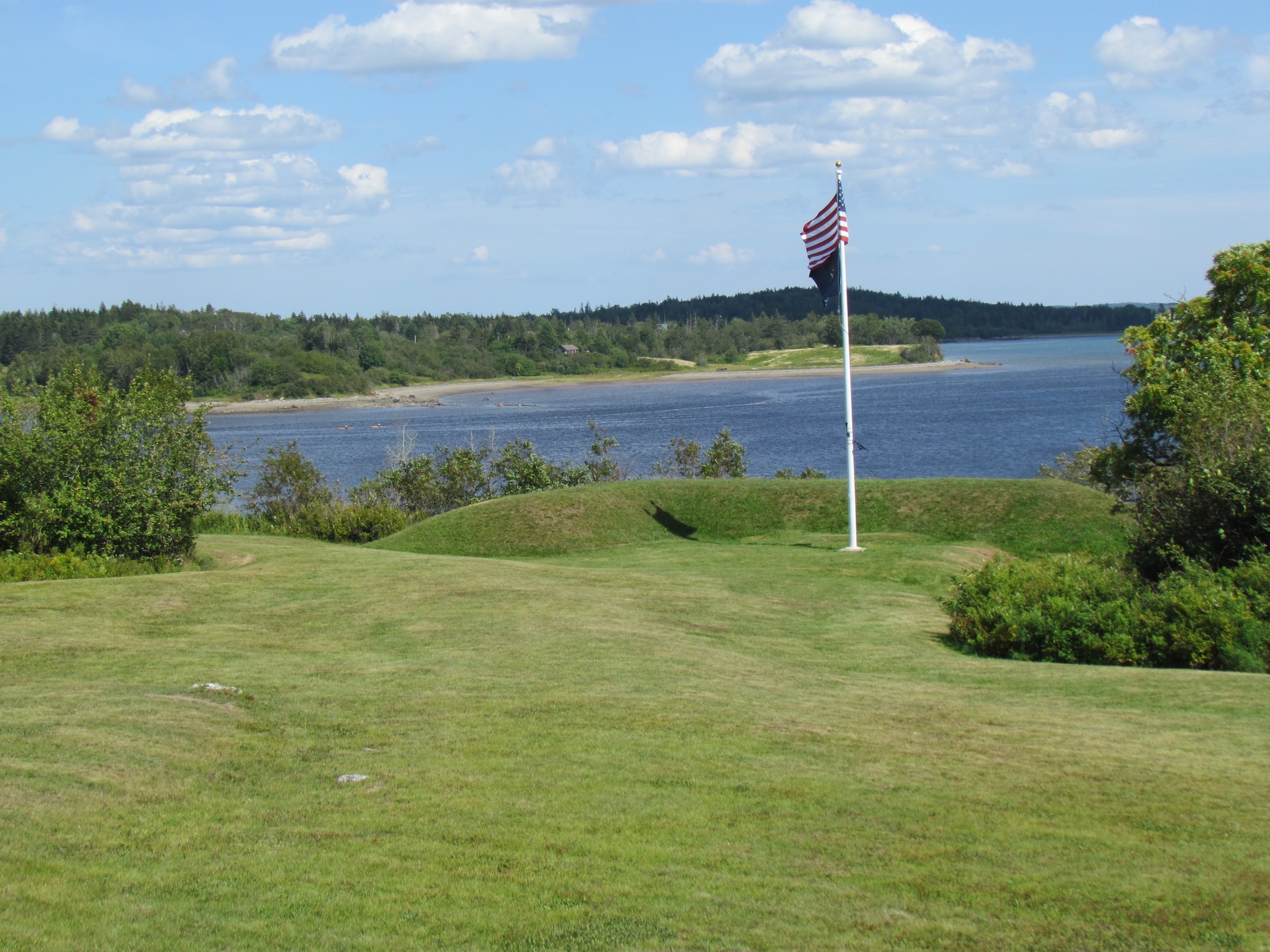
14. Fort O'Brien State Historic Site
Located north of Birch Point looking out into Machias Bay, Fort O'Brien dates to the Revolutionary War and its first naval battle. A few weeks after the shots at Lexington and Concord were fired, the British ship Margaretta escorted a Machiasport shipowner, Ichabod Jones, to the fort to ensure he returned to Boston with lumber needed for the construction of barracks. The townspeople, led by Jeremiah O'Brien, retaliated and captured the Margaretta. A few weeks later the British sent reinforcements. The fortifications built by the townspeople were not strong enough and the British, led by Sir George Collier, defeated the local force and burned several buildings before moving on. George Washington later recruited militia to protect the area and Fort O'Brien was considered part of the national defense by 1781. It remained in use through the Civil War. Appearance of the fort has changed little. The fort consists of earthworks facing Machias Bay with an existing powder magazine, which is now overgrown by vegetation. No armaments connected to the battle remain at the site.
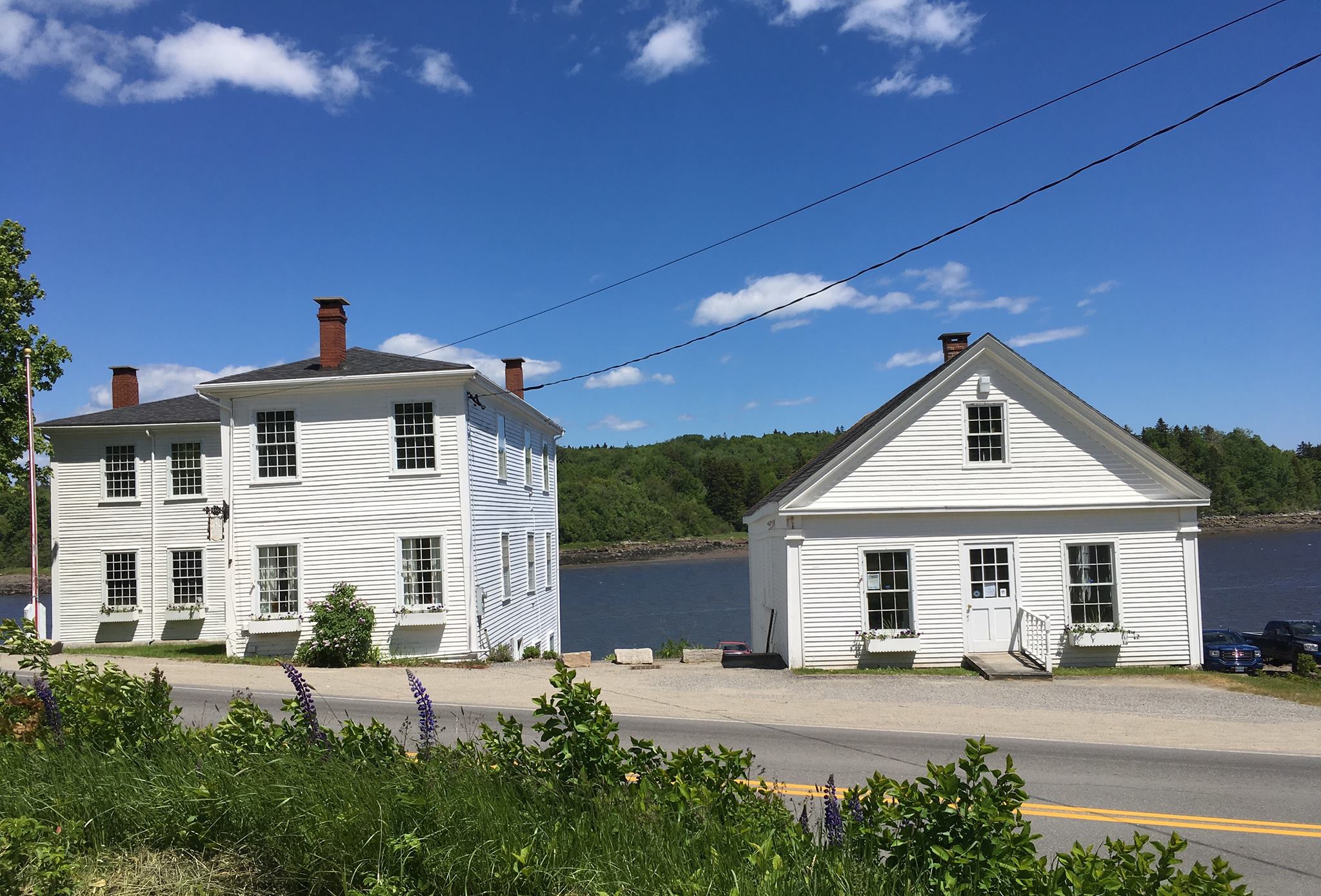
15. Machiasport Historical Society
344 Port Road, Machiasport, ME, 04655
Tour Dates: July & August Tue-Fri, 12:30-4:30, last tour starts at 4pm. Please call ahead before visiting: 207-255-8461.
A visit to the Gates House, home of the Machiasport Historical Society, will take you back to the Machias Bay region in 1810, just a few decades after the end of the Revolution. You will also see models two vessels from the 1775 Battle of Machias, the HMS Margaretta and Ichabod Jones’s merchant vessel, the Unity, on display, along with a piece of the chain from the 1777 Battle of the Rim in their Marine Room Image courtesy of the Machiasport Historical Society